
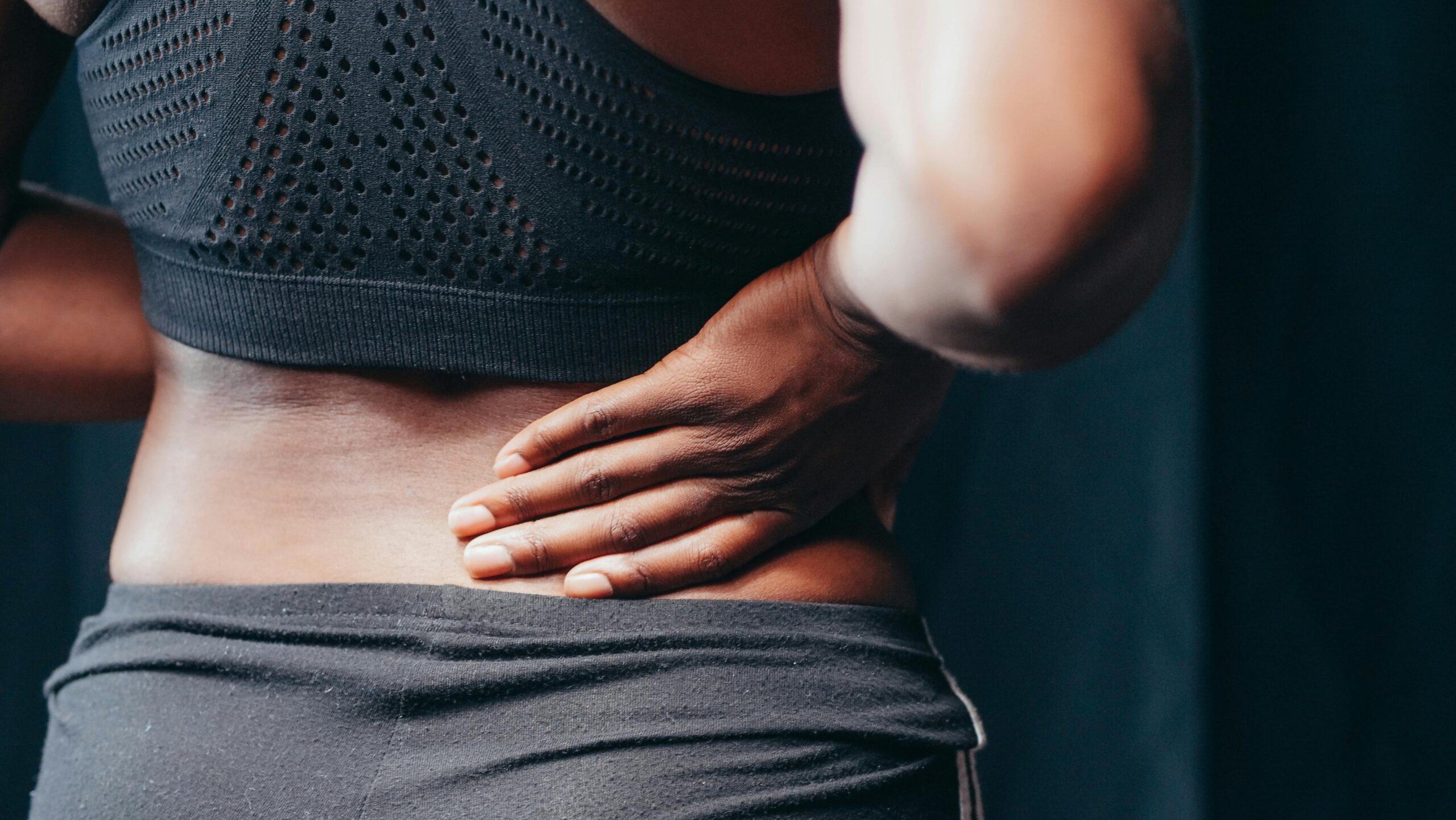
Menopause and Hip Pain – something you need to know!
Chronic pain is debiliating and depressing. When you wake each day, following a pain-disturbed night’s sleep, you know, as soon as your feet touch the floor, that the pain will be there, affecting every activity.
Already living with a frozen Cshoulder for which I am somewhere on a waiting list for surgery (nearly a year now), I started to experience bilateral hip pain which was exacerbated by walking, going up stairs, stepping up ladders – pretty much most movement to be honest. Initially, I tried gentle exercise in a bid to improve the muscle tone in my glutes and hips – this just made things worse. The pain then became much worse, traveling down the outside of my thighs to my knees and accompanied by sharp, shooting pains, particularly when out walking the dogs.
Living with this pain daily gradually started to erode my spirit. As a generally ‘glass half full’ person with a can-do attitude, I noticed my mood was changing. Pain makes you irritable. Pain leaves you feeling fatigued. My pain made me feel old.
Eventually, in March this year, I saw the physiotherapist at my GP practice. His diagnosis was that the pain was actually related to inflamed bursa, not my hip joints. This was a complete surprise to me and I have to say, I was somewhat sceptical of the diagnosis.
Treatment was for me to have a cortisol injection into each thigh, the right one first and the left two weeks later. This was administered by the Physio at the surgery.
After a week, I knew it hadn’t worked so, I arrived for my follow-up appointment and declined the second injection on this basis. I was then referred to the hospital Orthopaedic CATS (Clinical Assessment and Treatment Service) team.
What followed was life-changing for me.
I had my assessment with a specialist who diagnosed me with Greater Trochanteric Pain Syndrome – I’d never heard of it. He explained that the condition is fairly common in menopausal and post-menopausal women. So, now I’m feeling angry because I didn’t know about it. Greater trochanteric pain syndrome (GTPS) is a blanket term used to describe pain around the outside of your hip (lateral hip pain). It is also referred to as ‘trochanteric bursitis’ or ‘gluteal tendinopathy’ as the condition often involves these tissues. It can cause pain on the outside of your hip that may travel down the outer side of your thigh. ‘Bursitis’ means there can also be inflammation.
What causes it? Well, in my case, there was no specific cause other than changes in my oestrogen levels may have impacted negatively on the tendons around the affected area.
Treatment followed within 4 weeks and involved an ultra-sound guided cortisol steroid injection on both sides administed by a Radiologist. The images showed inflamation on both sides.
To locate the exact point for the injection, she ran her knuckle down my thigh until I cried out – actually, I think I may have used the ‘F’ word – and she said that was where she would inject. Firstly, a small amount of anaesthetic, then the cortisol.
The following day it hurt, really hurt. Three days later, I felt nothing.
Now, despite having a positive mental attitude in most things, I was sceptical and did wonder if I was feeling the effects of the anaesthetic but, a week later, I was still pain free.
In fact, I felt so good, I joined the gym, started swimming again and generally, now, I have a new lease of life.
I have felt compelled to write about this because I do wonder how many women are experiencing this kind of pain and how many are not receiving the right diagnosis and treatment.
I lived with this for nearly a year before I decided to find out more about what was going on. I have asked myself why I put up with it for so long and I believe it’s because I had just accepted it as ‘my lot’ – this is who I am now – a post-menopausal, decrepid woman.
Well, nope! Now, I’m enjoying walking, swimming (including open water), strength training and although I still have aches and pains and a shoulder that doesn’t quite work properly yet, I’m thriving and rejeuvenated.
Not all chronic pain can be solved but you owe it to yourself to explore every avenue back to feeling yourself again. The more women who seek help for chronic conditions, in particular those related to hormonal changes, the better. We need this data and we need to continue to raise awareness of the whole body effects of menopause transition.
Now, I just need my shoulder surgery and by the way, in Japan, ‘Frozen Shoulder’ is culturally referred to as Gojukata or “fifty-year shoulder” because its onset is strongly tied to perimenopause and estrogen deficiency, which increases joint inflammation and capsular stiffness!
Stay well.
Book a FREE 30 Minute Taster Session